01
Licensed & Insured Independent Pros
Every call goes to an independent contractor who carries liability insurance and holds licensing where your jurisdiction requires it. Ask to see both before any concrete is cut.
Damp walls, a wet floor joint or water every time it rains? One call connects you with an independent, licensed and insured basement waterproofing contractor in Eldon who can find the real cause and fix it for good.
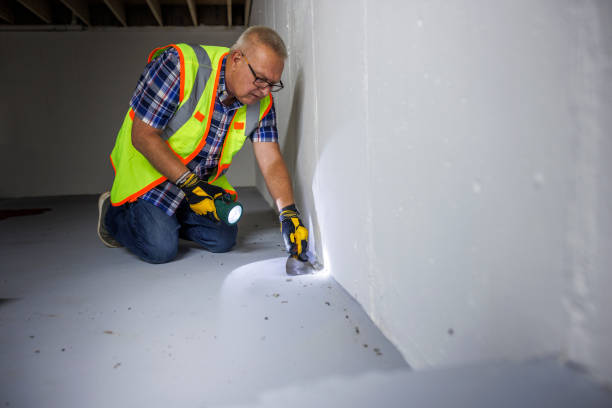
A wet basement is rarely one problem. It's usually a few small ones stacked together. Short downspouts dump roof water right at the foundation. The soil that was backfilled against the wall when the house was built settles and starts to slope inward. Then a long rain saturates that loose fill, and hydrostatic pressure drives water through the weakest point, which is almost always the cove joint where the wall meets the slab.
Patch one leak and the water often just finds the next weak spot. Real basement waterproofing looks at the whole picture: how water reaches the foundation, how it gets through, and where it can be safely collected and pumped away. The contractors we connect you with in Eldon start with that full picture before recommending anything.
What you want is a basement that stays dry through the next ten years of storms. It's a basement you can finish, store things in and stop worrying about every time the forecast calls for rain.
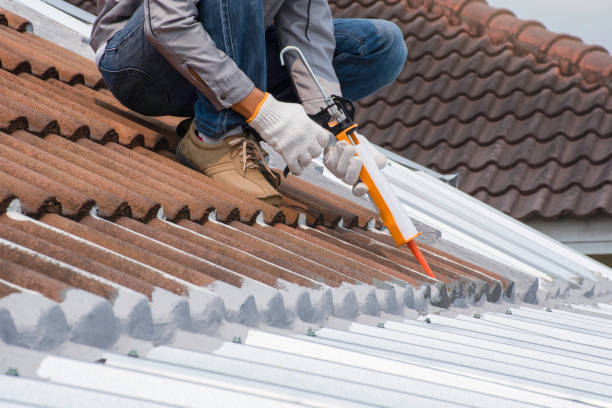
Every basement waterproofing plan starts with one question: stop the water outside, or manage it inside? Exterior work keeps water off the wall entirely. It means excavating to the footing, applying a membrane and installing a new footing drain, and it's the most thorough option. It's also the most disruptive, since decks, patios, landscaping and sometimes driveways sit right where the trench needs to go.
Interior drainage accepts that water will reach the foundation and gives it a controlled path out. For the majority of existing homes, interior drainage hits the best balance of cost and results. It relieves hydrostatic pressure at the footing, where most seepage starts, and it can be installed in any season without tearing up the yard.
Some basements need both. A contractor might excavate one badly leaking wall under a downspout-heavy corner and run interior drain tile along the other three. Others start with grading and gutter fixes, then monitor through a full season before committing to a bigger system. The right answer depends on your foundation type, your soil, how you use the space and your budget.
Whatever the plan, ask the contractor to sketch it on paper: where the drain tile runs, where the sump sits, where the discharge line exits and how far it carries water away. A clear plan is the easiest way to compare quotes fairly.

Basement waterproofing is a system, and the contractor you hire should treat it like one.
Every call goes to an independent contractor who carries liability insurance and holds licensing where your jurisdiction requires it. Ask to see both before any concrete is cut.
Expect itemized written pricing: drain tile by the foot, pump and backup by model, membrane by the wall. No open-ended hourly billing.
Local pros in Eldon typically schedule inspections quickly, with same-day visits for active leaks.
Moisture meters, infrared cameras, slab saws with dust control and the right pumps for the job. The right gear makes for a cleaner, faster install.
Every basement gets a different mix, depending on what the inspection finds.
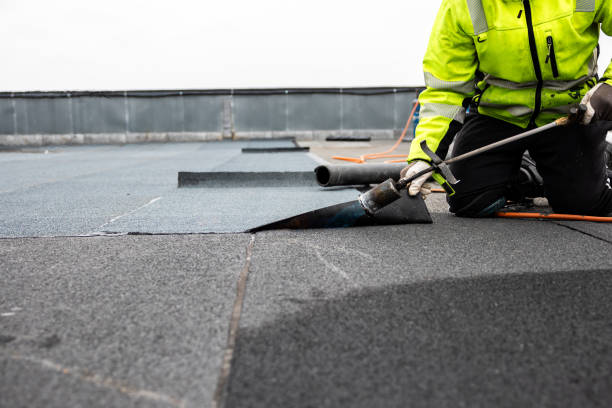
The contractor cuts a strip of slab around the basement perimeter, digs down beside the footing, and lays perforated pipe in washed stone. Water that seeps through the wall or rises under the slab drops into the pipe and flows to a sump pit instead of across your floor.
A lidded sump basin, a submersible pump sized to your inflow, a check valve and a discharge line routed well away from the foundation, plus a battery backup for outages.
Dimple membrane on the wall directs seepage into the drain channel and keeps moisture away from future studs, insulation and drywall.
In block foundations, water collects inside the hollow cores. Weep holes drilled at the base let it drain into the drain tile instead of pushing through the face of the wall.
Often the cheapest and most overlooked part of the job. Extending downspouts six to ten feet, regrading soil to slope away from the house and fixing window well drains can cut the water load on the foundation dramatically.
After the water is handled, a properly sized dehumidifier holds humidity near 50 percent so the space stays fresh and usable.
The biggest cost driver is how many linear feet of drain tile the basement needs. A system along one leaking wall costs far less than a full perimeter. After that, the price moves with the foundation type, since block walls need weep holes and poured walls don't, and with how much is in the way. Finished walls, built-in shelving, stairs and mechanical equipment along the perimeter all add labor.
The sump setup is the next big piece. A basic pump in a new basin is one price, a pump plus battery backup is another, and a duplex system with an alarm is another again. Wall membranes, dehumidifiers and exterior grading work are usually separate line items, so you can pick what you actually need. Permits, where your local building department requires them, are typically included in the quote, but it's worth confirming. A contractor working in Eldon can walk through each line item with you and explain which pieces are essential and which can wait.
Four steps, no forms, no runaround.
Call +1-866-476-1348 and describe where the water shows up and when. We'll ask if the space is finished and whether you have a sump pump.
You'll hear from a nearby contractor quickly to set an inspection, with same-day visits for active water.
Expect a full inside-and-outside inspection, moisture readings and a written quote broken down by system component.
After install, the contractor walks you through pump testing, maintenance and the written warranty.
Call now for a free referral to a licensed, insured independent basement waterproofing contractor in Eldon.
Call +1-866-476-1348Two rounds of crack patching failed. The contractor found the water was coming in at the floor joint, installed a drain system and sump, and we haven't had a puddle since.
Keisha D., Eldon
He spent forty minutes outside before he even came downstairs. Turned out half our problem was a downspout dumping right at the corner. Honest guy, fair quote.
Tom R., Eldon
Before finishing our basement, we had a full membrane and drain system put in. The remodeler said it was some of the cleanest prep work he'd seen.
Laura M., Eldon
I got a live person on a Sunday and an inspection first thing Monday. Written quote the same day, no pressure.
Ben A., Eldon
A typical interior system takes one to three days. Exterior excavation jobs usually run longer because of digging, membrane cure time and backfill.
Coatings can help with minor dampness from condensation or light wicking, but they won't stop water under real hydrostatic pressure. If water pools on the floor after rain, you need drainage, not paint.
You'll need to clear roughly three feet along any wall getting drain tile or membrane. The contractor will tell you exactly which walls during the inspection.
Cutting concrete creates dust, but good contractors use saws with water or vacuum dust control, plastic sheeting and negative air to keep it contained. Most homeowners stay in the house during the job.
A documented, warrantied system is a strong selling point, and many buyers' inspectors check for one. It also makes the space usable, which matters more than any appraisal line.
Test the pump twice a year, keep the discharge line clear and replace the backup battery as recommended. Ask the contractor whether they offer an annual inspection.
Calls from every part of Eldon and nearby towns are routed to local independent contractors. That includes older homes with block foundations, newer poured-wall builds and finished basements.
Check the zip codes and nearby cities below, or just call. Coverage often reaches further than the list.