01
Licensed & Insured Independent Pros
You're connected with insured, independent contractors, licensed where required, even in the middle of the night.
Water pouring in, a dead sump pump or a basement filling during a storm? Call now. We'll connect you with an independent, licensed and insured emergency waterproofing contractor in Highland who can pump out the water, find the source and stop it from getting worse.
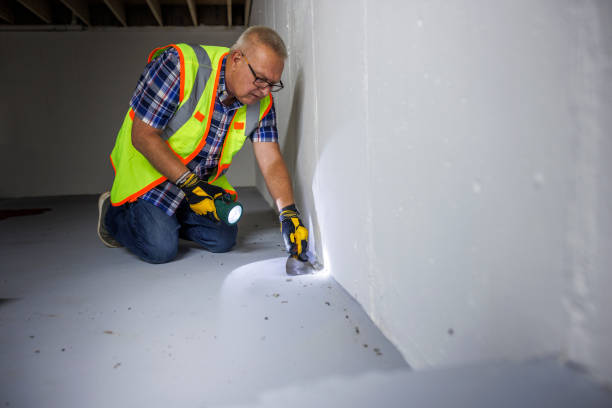
Safety comes before anything else. If water has reached outlets, extension cords, the furnace, the water heater or anything plugged in, stay out of the basement. Shut off power at the main panel only if you can reach it without stepping in water. If you smell gas, leave the house and call the gas utility from outside.
Next, figure out roughly where the water is coming from. Is it coming up through the floor drain? Pouring in through a window well? Seeping along the base of the walls? Or is the sump pit full and the pump silent? That information helps the dispatcher send the right contractor with the right equipment, and it's the first thing they'll ask about.
Then pick up the phone. While you wait, take photos and video for your insurer, move anything valuable upstairs if it's safe to reach, and redirect downspouts away from the house if you can do it without risk. The contractors we connect you with in Highland handle emergency calls at night, on weekends and during storms.

Slow seepage builds over days. Sudden flooding usually has a single cause that failed at the worst moment. The most common is the sump pump. A stuck float, a burned-out motor or a power outage turns a working drainage system into a pit that overflows onto the floor.
Next on the list: window wells. Without a working drain at the bottom, a window well fills like a bucket during a downpour. When the water reaches the window, it either seeps around the frame or breaks the glass and pours straight in. A clogged footing drain under the well makes it worse.
Floor drains backing up are third. When the municipal sewer or storm system is overwhelmed, water can push backward through the basement floor drain. A backwater valve can stop that, and it's often recommended after the first incident.
And sometimes, a wall crack simply opens up. After days of rain, hydrostatic pressure on a cracked wall can turn a slow weep into a steady stream. Knowing which of these happened tells the contractor how to stop tonight's water and how to keep it from happening again.

Fast response matters, but so does getting it right.
You're connected with insured, independent contractors, licensed where required, even in the middle of the night.
You'll hear the emergency rate upfront, then get a written quote for any permanent repair.
We prioritize contractors who can reach you the same night, and the dispatcher gives you an honest arrival estimate on the call.
Trash pumps, wet vacs, spare sump pumps, generators and moisture meters on the truck.
Emergency work has two goals: get the water out and keep more from coming in.

Submersible pumps and gas-powered trash pumps move standing water out fast, with discharge hoses routed well away from the house so it doesn't just circle back.
A dead pump gets replaced or backed up with a temporary unit right away.
Downspouts are extended, window wells are covered or pumped, and surface water is redirected away from the foundation to cut the inflow while the storm lasts.
Hydraulic cement or quick-reacting polyurethane injection can slow or stop an active crack leak right away.
Once the water is out, moisture meters and thermal cameras show how far it spread into walls and floors. Photos and readings help with insurance claims and drying plans.
After the emergency, the contractor diagnoses the root cause and quotes the permanent fix in writing, whether that's drain tile, a new sump with backup, crack injection or exterior work.
Once the water is out and the source is under control, the most valuable step is fixing whatever failed so the next storm doesn't repeat the night. If the sump pump died, that usually means a properly sized replacement plus a battery or water-powered backup and a high-water alarm. If a window well flooded, it means a drain at the bottom of the well, clean gravel and a fitted cover. If the floor drain backed up, a backwater valve is often the answer.
Many emergencies also point to a bigger pattern. A pump that was running nonstop before it failed suggests heavy groundwater that a drainage system could handle better. A crack that opened under pressure may be one of several weak spots. The contractor who handled the emergency has already seen the basement at its worst, which makes their permanent repair quote more accurate. Get it in writing, compare it if you like, and schedule the work before the next wet season.
It's also smart to put together a small flood kit once things are back to normal: a flashlight, a wet vacuum, a spare extension cord rated for outdoor use, and the contractor's number saved in your phone. Test the sump pump and backup before each wet season, and check that the discharge line is clear and pointed away from the house.
When water is coming in, every step is about speed and safety.
Call +1-866-476-1348 right away and tell us how much water there is, where it's coming from and whether power or gas is at risk.
A nearby contractor heads your way, often within hours, with pumps on the truck.
The contractor secures the area, removes the water, finds the source and quotes the permanent repair in writing.
The permanent repair is scheduled on your approval, and you get a walkthrough of what failed, what was fixed and how to prevent it next time.
Every hour counts. One call connects you with a local independent pro who can respond fast.
Call +1-866-476-1348Pump died at 2 a.m. with water rising. Someone answered right away and a contractor arrived a couple of hours later with pumps.
Angela M., Highland
The window well overflowed and broke the window. They pumped us out that night and installed a drain the next day.
Kevin S., Highland
An active crack leak got plugged the same night and injected properly the next week.
Bianca R., Highland
He took photos and moisture readings before doing anything, which made my insurance claim so much easier. Grateful for the fast help on a holiday weekend.
Steve O., Highland
Response time varies, though emergency callers often have help within hours. During major storms, demand spikes and waits can be longer. The dispatcher will give you an honest estimate on the call.
Not until you're sure the power is off. Shut off power at the main panel only if you can reach it from a dry spot. If you smell gas, leave and call the gas utility from outside.
Night and weekend calls can cost more. The contractor should tell you the emergency rate before starting, and permanent repairs get a separate written quote.
Coverage varies by policy and cause. Burst pipes are often covered, while groundwater seepage often isn't, and sump pump backup usually requires a separate rider. Photograph everything and call your insurer early.
A generator-powered temporary pump handles the emergency, and a backup system prevents a repeat.
The focus is on getting water out and stopping the source. For drying, carpet removal and mold prevention, a water damage restoration company may be needed, and the contractor can usually recommend one.
Emergency calls from anywhere in Highland and the surrounding area are routed to local independent contractors. Residential basements, rental properties and commercial below-grade spaces are all covered.
See the zip codes and nearby cities below, but don't let the list slow you down. If water is coming in, call now.