01
Licensed & Insured Independent Pros
Excavation work carries real risk, so calls go to independent contractors with liability coverage and licensing where required. Confirm they carry coverage for heavy equipment.
For finished basements you don't want torn apart, exterior waterproofing keeps water off the wall entirely. One call connects you with a licensed, insured independent contractor in Gateway who does it right.
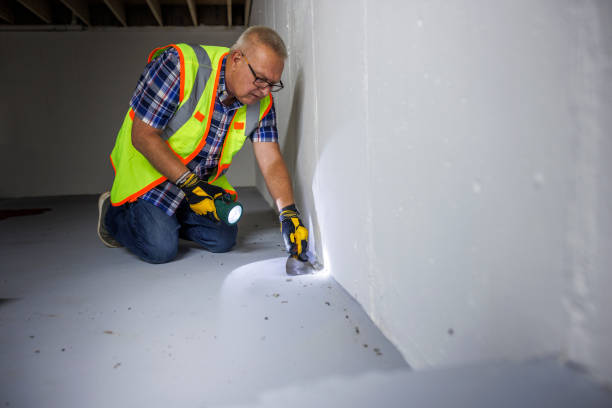
Interior drainage handles water once it reaches the foundation. Exterior waterproofing makes sure it never gets that far. For a finished basement with drywall, built-ins and flooring you just paid for, that difference matters. Tearing out the bottom of every wall to install interior drain tile can cost almost as much in restoration as the waterproofing itself.
Exterior work also makes sense when the wall itself is deteriorating. Old block foundations with crumbling mortar, poured walls with honeycombing or stone foundations that let water through every joint all benefit from being exposed, repaired and sealed from the outside. Once the wall is open, the contractor can fix cracks, parge the surface and replace a collapsed or missing footing drain at the same time.
The downside is the digging. Exterior waterproofing means excavating a trench along the foundation, sometimes six to nine feet deep. Landscaping, walkways and decks near the wall have to be removed or worked around. The contractors we connect you with in Gateway plan for that up front and include restoration in the quote.
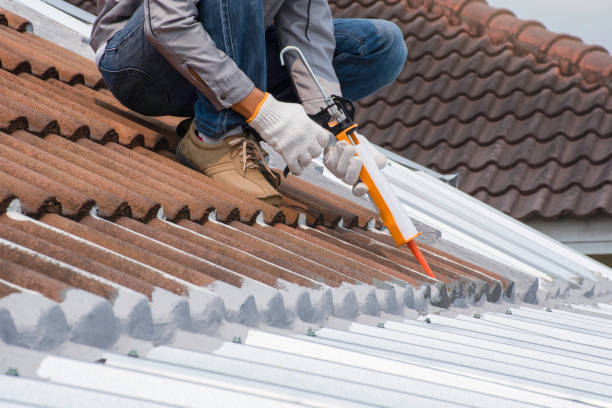
Homeowners tend to focus on the membrane, but the footing drain is what keeps the whole system working. Water that reaches the wall runs down the drainage board to the footing. If nothing carries it away, it pools there and builds pressure, the same pressure that caused the leak in the first place.
The drain needs steady pitch, a clean gravel bed and filter fabric to keep fine soil out. It has to discharge somewhere reliable: to daylight on a sloped lot, or into a sump pit that pumps the water well away from the house. Many older homes either never had one or have one that collapsed or filled with clay decades ago.
Ask your contractor exactly where the drain will outlet and how they'll confirm the slope. Laser levels make this precise. A cleanout access point is also worth asking about, since it lets the drain be flushed in the future without digging.
Get photos of the drain and drainage board before backfill. Once the trench is filled, the only way to check the work is to dig it up again.

You want a contractor who treats excavation with the respect it deserves.
Excavation work carries real risk, so calls go to independent contractors with liability coverage and licensing where required. Confirm they carry coverage for heavy equipment.
Each phase of the job is priced separately in writing, from excavation to final grading.
Local contractors in Gateway can inspect quickly and schedule excavation around weather and utility locate requirements.
Compact excavators, trench safety systems, membrane spray equipment and laser levels to set the footing drain slope.
A full exterior job happens in stages, and each stage matters.
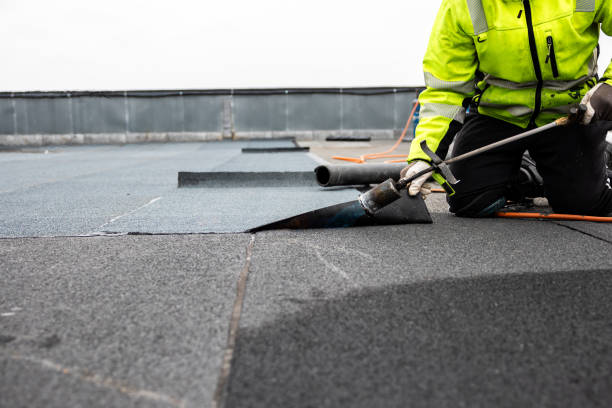
Before any digging, buried utilities are marked through the local call-before-you-dig service. The trench is then dug down to the footing, with shoring or sloped sides for deeper cuts so the crew can work safely.
The exposed wall is scraped, pressure washed and inspected. Cracks are sealed, block walls are parged, and loose mortar is repointed so the membrane has a clean, solid surface to bond to.
A rubberized fluid membrane or self-adhered sheet goes on from the footing up to grade level. Thickness is checked as it's applied so it performs as rated.
Drainage board protects the membrane and leads water to a new gravel-bedded footing drain with a reliable outlet.
Clean stone goes in against the wall, topped with soil compacted in layers and graded so the surface slopes away from the house for at least several feet.
Topsoil, seed or sod and reset pavers finish the job. Confirm what's included and how later settling is handled.
Exterior waterproofing is priced mainly by how much wall gets exposed and how hard it is to reach. Depth matters, since a full-height basement means a deeper trench and more soil to move and store. Access matters too. A wall with open lawn beside it is far easier than one under a deck, beside a driveway or tight to a neighbor's property line, where hand digging or smaller equipment may be needed.
Wall condition changes the price once the foundation is exposed. Clean poured concrete needs less prep than old block with failing mortar or stone that needs repointing. Then come the membrane system, the drainage board, the footing drain and its outlet, and finally backfill and restoration. A good quote prices each of those separately. That makes it easy to compare offers and to see the cost of doing one problem wall now and others later.
Timing can affect the price as well. Spring is the busiest season for exterior work, so lead times are longer, while late summer and early fall often bring drier soil and easier scheduling. If one wall is leaking badly and the others are only damp, some homeowners start with the worst wall and plan the rest for a later season, which spreads the cost without leaving the main problem unsolved.
Exterior jobs take more planning than most. Here's the sequence.
Call +1-866-476-1348 and describe the leaking walls, the interior finish and any decks or patios along the foundation.
A local independent contractor schedules an on-site assessment, usually within a few days, sooner if water is coming in.
Expect an inside-and-outside inspection, a frank talk about access and restoration, and an itemized written quote.
Once permits and locates are done, the job is completed and restored, followed by a walkthrough of the system and warranty.
One call connects you with a local independent pro who seals foundations from the outside.
Call +1-866-476-1348Our finished basement leaked along one wall. They excavated, sealed and drained it from outside, and we never had to touch the drywall.
Heather S., Gateway
Our stone foundation was over a hundred years old and wept everywhere. They exposed the worst two walls, repointed and parged them, then applied a membrane. The basement smells like a basement should now.
Leon M., Gateway
Careful from start to finish: utility marks, proper shoring and plywood to protect the driveway.
Joan D., Gateway
The old footing drain was crushed and full of clay. After the new system went in, the sump barely runs.
Raj P., Gateway
All the way to the footing, commonly six to nine feet for a full-height basement. Deeper trenches need shoring or sloped sides for safety.
Plan on a few days for one wall and a week or more for the whole house. Membrane cure time and inspections can add time.
It stops water before it reaches the wall, which interior systems can't do. It also costs more and disrupts the yard. For many homes, interior drainage is enough; for finished basements or failing walls, exterior is often worth it.
It's harder in winter because of frozen soil and membrane temperature limits. Many contractors schedule exterior work from spring through fall.
Plants, pavers and soil along the trench line are removed and either set aside or replaced. Ask what restoration is included and whether the contractor will return to top off soil that settles.
Many local building departments require one, especially when drainage tie-ins or structural repairs are involved. Ask the contractor who pulls the permit and whether an inspection is required before backfill.
We connect homeowners throughout Gateway and nearby communities with independent exterior waterproofing contractors who know the local soil and permit requirements. Block, poured and stone foundations are all covered.
Local contractors already know the soil types, groundwater levels and lot sizes around Gateway, which makes excavation planning faster and more accurate.
Check the area list below or call to ask about your address.