01
Licensed & Insured Independent Pros
You're connected with insured, independent contractors who are licensed where required for electrical and plumbing work.
Sump pump quit during a storm, or no pump at all? Call now and we'll connect you with an independent, licensed and insured contractor in Bridgeview who sizes, installs and backs up sump pumps so the next big rain doesn't flood the basement.
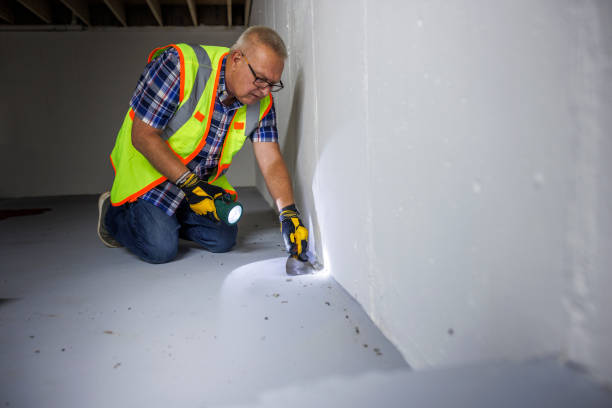
A sump pump is a simple machine with a hard job. It sits in a pit below the floor, waits for water to rise, then pushes it up and out of the house. In a wet season it might cycle hundreds of times a day. That's why pumps tend to fail during the exact storms that test them hardest.
Most pump failures come down to a few causes. Float switches get stuck against the side of the pit or tangled in the cord. Motors burn out after years of heavy cycling, especially undersized ones that run nonstop. Check valves fail and let water flow back into the pit, so the pump runs twice as often. Discharge lines freeze or clog. And the most common cause of all: the power goes out during the storm, and a pump without a backup sits there doing nothing.
Local pros check the pit, the float, the check valve, the discharge line and the power source. A new pump in a bad setup fails just as fast as the old one.

There are two main styles of sump pump. Pedestal pumps keep the motor up on a column above the pit, which makes them easy to service and long-lived in light-duty basements, but they're louder and move less water. Submersible pumps sit fully in the pit, run quieter, handle more water and are the usual choice for basements with drain tile or regular inflow.
The float switch is the part that fails most often. Tethered floats swing on a cord and need a wide pit to move freely. Vertical floats ride up and down a rod, so they fit narrow pits and are less likely to snag. Electronic switches sense water level with no moving parts at all. Ask which one your contractor recommends for your pit size and why.
Housing material is worth asking about. Cast-iron pumps shed motor heat into the water and tend to outlast thermoplastic models under heavy cycling. They cost more upfront but are a common choice for basements where the pump runs often.
Don't overlook the cover. A sealed, gasketed lid keeps debris, odors and humidity out of the basement and keeps kids and pets away from the pit. If your home has a radon mitigation system, a sealed lid is usually part of it.

Installing a sump pump right means getting the sizing, the plumbing and the backup right.
You're connected with insured, independent contractors who are licensed where required for electrical and plumbing work.
Expect a flat, written package price covering the pump, valve, fittings, labor and any backup.
A dead pump during a storm is an emergency, and contractors in Bridgeview often respond the same day with replacement pumps on the truck.
Proper sizing charts, flow tests, sealed lids, quiet check valves and battery testers.
From a first-time install to a full backup system, here's what's available.

For basements without a pump, the contractor breaks through the slab at the lowest practical point, digs the pit, sets a perforated basin in gravel and patches the floor around it. It's often paired with drain tile.
The old pump is pulled and replaced with one sized to your inflow and lift height. Cast-iron submersible pumps with vertical float switches are a common choice for reliability.
A battery-powered second pump takes over during outages or when the main pump is overwhelmed.
Where city water pressure is strong enough and local code allows, a water-powered backup uses municipal pressure to pump the pit with no electricity or battery at all.
A quality check valve stops pumped water from falling back into the pit. The discharge line is routed out through the rim joist and away from the foundation, with a freeze guard outside.
Audible alarms and Wi-Fi monitors warn you about rising water or a failed pump, even when you're not home.
A straight replacement, where a pit and discharge line already exist, is usually the simplest and least expensive job. The price moves mainly with the pump itself: horsepower, cast iron or thermoplastic, and the type of switch. Replacing a worn check valve and fittings at the same time adds a little, and it's usually worth doing.
A first-time installation costs more, since it means breaking through the slab, digging and setting a basin, and running a new discharge line out through the rim joist. Backup systems add to either job. A battery backup includes a second pump, a battery and a charger, while a water-powered backup needs a plumbing connection and adequate water pressure. If no outlet is near the pit, a dedicated circuit may need to be added. A written quote should list each of these so you can choose what fits your basement and budget.
Ask what happens to the old pump and whether the quote includes testing the system with a full pit of water before the contractor leaves. A proper test confirms the float switch, the check valve and the discharge line all work under real conditions, and it's the best way to know the system is ready for the next storm.
Simple, fast and done right.
Call +1-866-476-1348 and tell us whether the pump stopped, is running nonstop or whether you've never had one. If water is rising, say so first.
A local independent contractor heads out, often the same day for failed pumps, with common pump models on the truck.
The contractor checks the pit, float clearance, check valve, discharge line and power, measures the lift height and quotes the right pump and backup in writing.
The new pump is installed and tested with a full pit of water, and the contractor shows you how to test it, how the backup works and what the warranty covers.
Call now for a free referral to a licensed, insured independent sump pump contractor in Bridgeview.
Call +1-866-476-1348Power went out in a thunderstorm and the basement started filling. The contractor came out that night, got the water pumped and installed a new pump with a battery backup the next morning.
Dana H., Bridgeview
Our pump ran every two minutes for years. The contractor found a failed check valve was sending water right back into the pit. New valve, new pump, and now it cycles a few times an hour.
Omar F., Bridgeview
We travel a lot, so they installed a Wi-Fi alarm along with a backup pump. Got a text during a storm last spring saying the backup had kicked in. Peace of mind.
Tricia L., Bridgeview
Never had a pump before and the basement got wet every spring. They dug a new pit at the low corner and put in a pump and backup. First dry spring in ten years.
Greg A., Bridgeview
Size depends on inflow volume and vertical lift. Many homes do well with a third or half horsepower pump, but heavy inflow or a long, high discharge may need more. A contractor can time how fast the pit fills to size it properly.
Many last around seven to ten years, though heavy cycling shortens that. If yours is approaching that age, replacing it before the wet season is cheaper than dealing with a flooded basement.
For most basements with regular pump activity, yes. Storms are when outages happen, and that's exactly when the pump needs to run.
Often a failed check valve, a high water table or the pump's own discharge draining back into the pit. A contractor can tell which with a quick inspection.
Usually not, since many municipalities prohibit it. Most discharges run to the yard, a dry well or the storm system where permitted. Ask about local rules.
Pour a bucket of water into the pit a couple of times a year to confirm it starts and stops, keep the pit free of debris and check the discharge outlet. Replace backup batteries per the manufacturer's schedule.
Calls from across Bridgeview and surrounding towns go to local independent sump pump pros. New installs, replacements and backup upgrades are all covered.
Check the area list below or call to ask.